Journal · Women's Wellness · July 2026
Gracefully Through Menopause: An Ayurvedic Guide to Healthy Ageing
 By Dr Anjana L RAyurveda Gynaecologist & Fertility Consultant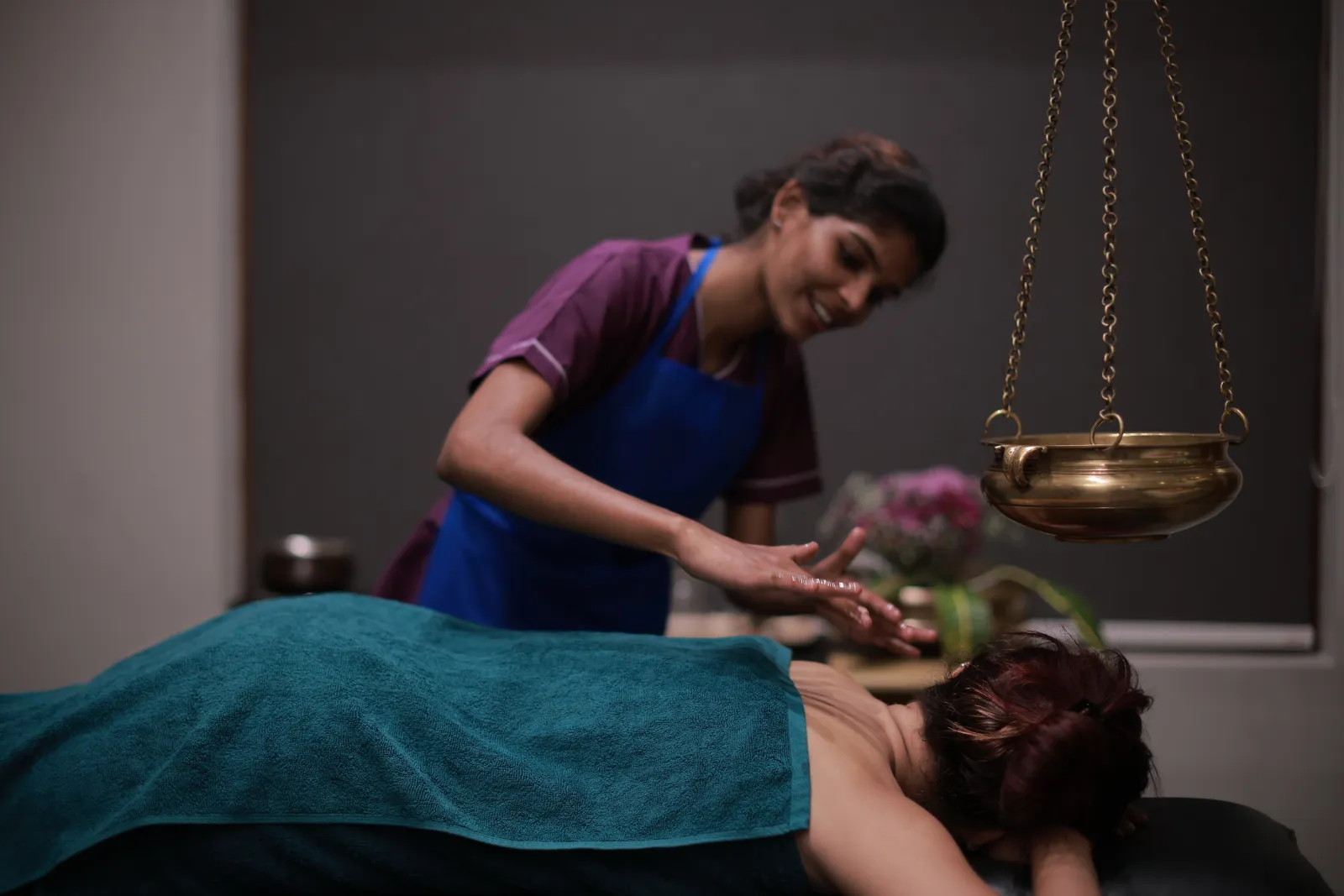
For generations of women, menopause has been viewed as an inevitable end — an end to fertility, hormonal balance, youthful vitality, and often, to comfort itself. Yet, beneath this widely accepted narrative lies a profound truth: menopause is not merely an end to be mourned, but a natural transition to be understood, embraced, and navigated with wisdom.
It is perhaps one of the least celebrated and most misunderstood phases in a woman's life. While the physical symptoms often receive attention, the emotional, mental, and energetic transformations that accompany this transition are rarely acknowledged. Hot flashes, disturbed sleep, mood fluctuations, fatigue, weight changes, and joint discomfort are not merely isolated symptoms — they reflect the body's remarkable process of adapting to a new physiological rhythm.
Menopause: a new chapter that unfolds
Menopause is a natural biological transition that marks the end of a woman's reproductive years. It is diagnosed after 12 consecutive months without a menstrual period, usually occurring between 45 and 55 years of age.
Rather than a single event, menopause is a gradual journey that unfolds over several years:
- —Perimenopause — the transition phase when hormone levels begin to fluctuate, causing irregular menstrual cycles and the onset of menopausal symptoms.
- —Menopause — the point at which menstruation has ceased for twelve consecutive months.
- —Postmenopause — the years following menopause, when the body adapts to a new hormonal balance and long-term health becomes the primary focus.
Every woman's menopausal journey is unique. While some experience minimal symptoms, others may notice significant changes that affect their daily life and overall wellbeing. Common symptoms include:
- —Hot flashes and night sweats
- —Sleep disturbances and fatigue
- —Mood changes, anxiety, and irritability
- —Weight gain and a slower metabolism
- —Vaginal dryness and reduced libido
- —Joint and muscle discomfort
- —Bone loss and reduced muscle strength
- —Changes in skin elasticity and hair quality
The changing body: what happens during menopause
The decline in estrogen extends far beyond the reproductive system, influencing nearly every aspect of a woman's health and well-being.
Cardiovascular health. Estrogen supports healthy blood vessels and cholesterol balance, offering natural protection to the heart. As its levels decline, the risk of high blood pressure, elevated cholesterol, heart disease, and stroke gradually increases, making cardiovascular health a cornerstone of healthy ageing.
Bone & muscle health. Bone loss accelerates after menopause, increasing the risk of osteopenia and osteoporosis. At the same time, declining muscle mass and strength can affect mobility, balance, and joint function, highlighting the importance of maintaining an active lifestyle.
Sleep, brain & emotional well-being. Hormonal fluctuations can disrupt sleep, leading to night sweats, frequent awakenings, and persistent fatigue. Poor sleep, together with declining estrogen levels, may contribute to brain fog, reduced concentration, memory lapses, mood fluctuations, anxiety, and emotional exhaustion — affecting both daily life and overall well-being.
Weight & metabolism. A slower metabolism often promotes weight gain, particularly around the abdomen, increasing the risk of diabetes, cardiovascular disease, and other metabolic disorders. Healthy nutrition and regular physical activity become increasingly important during this stage.
Skin, hair & healthy ageing. Reduced collagen production can lead to dry skin, loss of elasticity, and the appearance of fine lines and wrinkles. Hair may become thinner and nails more brittle, reflecting the body's natural ageing process.
Urogenital health. Reduced estrogen affects the health of the vaginal and urinary tissues, causing dryness, reduced lubrication, itching, urinary frequency, incontinence, recurrent urinary or vaginal infections, and discomfort during intimacy. These changes can significantly influence comfort, confidence, intimate relationships, and overall quality of life.
Menopause through the Ayurvedic lens
Ayurveda considers menopause a natural transition rather than a disease. According to Ayurveda, life progresses through three stages:
- —Kapha dominates childhood, supporting growth and nourishment.
- —Pitta governs adulthood, maintaining metabolism and reproductive function.
- —Vata naturally predominates in later life, bringing qualities of dryness, lightness, and change.
Menopause marks this transition into the Vata stage of life. At the same time:
- —Dhatu Kshaya (natural depletion of body tissues) gradually occurs.
- —Agni (digestive and metabolic strength) may become irregular.
- —Ojas — the essence responsible for vitality, immunity, and resilience — may decline if not properly nourished.
These changes explain many menopausal symptoms:
- —Aggravated Vata may cause anxiety, insomnia, constipation, joint pains, dryness, and fatigue.
- —Aggravated Pitta may present as hot flushes, excessive sweating, irritability, and disturbed sleep.
Since every woman's Prakriti (constitution) is unique, no two women experience menopause in the same way.
Restoring harmony through Ayurveda
Menopause is not an illness — it is a natural milestone in a woman's life. Ayurveda honours this transition with compassion, recognising it as an opportunity to preserve vitality, restore balance, and embrace healthy ageing. Rooted in the timeless principle of Swasthasya Swasthya Samrakshanam — preserving the health of the healthy — Ayurveda places equal emphasis on prevention, rejuvenation, and long-term well-being, making menopausal care one of its greatest strengths.
Every woman's journey through menopause is unique. Rather than adopting a one-size-fits-all approach, Ayurveda begins with a comprehensive understanding of the individual — her constitution (Prakriti), doshic imbalances, digestive strength (Agni), tissue health (Dhatus), lifestyle, and emotional well-being. This personalised assessment forms the foundation of a treatment plan tailored to her specific needs.
The focus extends beyond relieving symptoms. Ayurvedic care seeks to restore the harmony of Vata and Pitta, strengthen digestion and metabolism, nourish depleted tissues, calm the nervous system, and enhance resilience from within. Carefully chosen herbal formulations support hormonal balance, improve sleep, uplift emotional well-being, and help women navigate this transition with greater comfort and confidence.
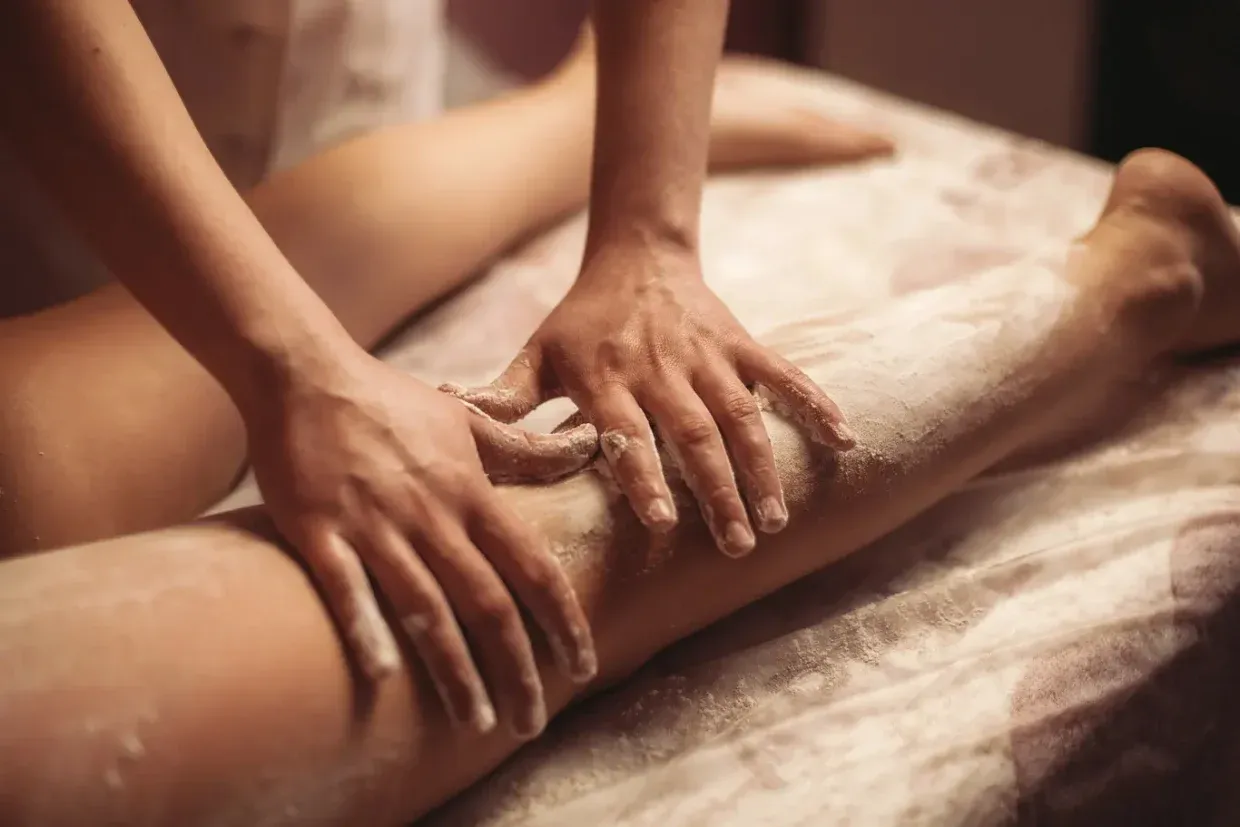
Time-honoured external therapies such as Abhyanga, Choorna Pinda Sweda, Patra Potali Sweda, Jambeera Pinda Sweda, Kashayadhara, Tailadhara and Shirodhara provide deep relaxation while easing muscular discomfort, improving circulation, reducing stress, improving the elasticity of skin, and restoring a profound sense of physical and emotional balance. Localised treatments such as Yoni Kshalanam, Yoni Pichu and Avagaham help the body adapt to the changing pH of the vagina, maintain a healthy bacterial flora, treat or prevent UTIs, and reduce vaginal dryness. Where indicated, gentle Panchakarma therapies — including Mridu Virechana and Vasti — help to balance doshic imbalances, especially Vata and Pitta, and re-establish the body's natural equilibrium.
Completing this holistic approach are Rasayana therapies, Ayurveda's science of rejuvenation. By nourishing the body's tissues, preserving Ojas — the essence of vitality and immunity — and slowing age-related degeneration, Rasayana supports graceful ageing from within. The goal is not merely to ease menopausal symptoms, but to help every woman emerge from this transition stronger, healthier, and more deeply connected to her own well-being.
In Ayurveda, menopause is not viewed as the closing of one chapter, but as the beginning of another — one that offers the opportunity to age with strength, wisdom, elegance, and enduring vitality.
Daily rituals for a graceful menopause
Small, consistent lifestyle choices can significantly improve the menopausal journey.
Nourish your body.
- —Eat freshly prepared, wholesome meals.
- —Include healthy fats, calcium-rich foods, quality protein, and seasonal fruits and vegetables.
- —Include natural phytoestrogen-rich foods such as flaxseeds, asparagus, berries, almonds, yams, and peaches to gently support hormonal balance.
- —Avoid processed foods, refined sugars, alcohol, and excessive caffeine.
- —Practise Abhyanga (oil massage) to maintain skin elasticity and nourish the hair.
Stay active. Aim for a combination of walking, yoga, strength training, and stretching. Together, these help preserve muscle mass, strengthen bones, improve heart health, and maintain flexibility.
Prioritise rest.
- —Follow a regular sleep schedule.
- —Create a calming bedtime routine.
- —Reduce screen exposure before sleep.
Care for your mind.
- —Practise meditation and pranayama.
- —Spend time in nature.
- —Make space for hobbies, creativity, and meaningful relationships.
Embrace preventive care
Menopause is one of the best times to invest in long-term health through regular health check-ups, personalised Ayurvedic care, and mindful lifestyle changes.
A time to thrive
Menopause is not an end — it is a transition into a wiser, stronger, and more fulfilling phase of life. With the timeless wisdom of Ayurveda, women can move beyond simply managing symptoms to embracing this stage with vitality, confidence, and lasting wellbeing.
Because healthy ageing is not about adding years to life — it is about adding life to every year.