Journal · Women's Wellness · September 2026
PCOS and Ayurveda: Understanding PMOS and Whole-Body Balance
 By Dr Anjana L RAyurveda Gynaecologist & Fertility Consultant
By Dr Anjana L R, Ayurveda Gynaecologist & Fertility Consultant, MS (Prasuti Tantra & Streeroga)
From PCOS to PMOS: A New Understanding
PCOS is no longer understood as a condition affecting only the ovaries. It is a complex metabolic, hormonal and reproductive disorder that can influence almost every aspect of a woman’s wellbeing. As our understanding of PCOS continues to evolve, it is increasingly being viewed beyond its traditional ovarian focus. This broader perspective brings a new dimension to the condition—recognising its metabolic, hormonal and systemic impact, reflected in the emerging concept of Poly Endocrine Metabolic and Ovarian Syndrome (PMOS).
The significance of this shift lies in what it tells us: PCOS is not simply about irregular periods or multiple follicles seen on an ultrasound. Insulin resistance, altered metabolism, androgen excess, weight changes, inflammation, sleep disturbances and emotional wellbeing can all become part of the picture. When left unaddressed, these interconnected changes may influence fertility and increase long-term metabolic and cardiovascular risks.
With PCOS affecting a significant proportion of women of reproductive age worldwide, recognising it early and addressing its underlying contributors has become increasingly important. Rather than focusing solely on suppressing individual symptoms, a more meaningful approach is to understand what has disturbed the body’s metabolic and hormonal equilibrium—and gradually restore balance through personalised nutrition, exercises, lifestyle correction and appropriate medical care.
What Causes PMOS? Roots behind the imbalance
There is no single cause of PMOS. It develops through a complex interaction of genetic, hormonal, metabolic and lifestyle factors.
- —Unbalanced diet – Excess refined carbohydrates, sugary and highly processed foods may aggravate metabolic imbalance.
- —Weight gain & excess body fat – Especially abdominal fat, which can worsen insulin resistance and hormonal imbalance.
- —Sedentary lifestyle – Lack of regular movement can affect insulin sensitivity and metabolism.
- —Stress & poor sleep – Chronic stress and inadequate sleep can influence metabolic and reproductive hormones.
- —Insulin resistance – Excess insulin can stimulate androgen production and disturb ovulation.
- —Hormonal imbalance – Increased androgens can interfere with normal follicle development and menstrual cycles.
- —Genetic predisposition – A family tendency can increase susceptibility to PCOS.
PMOS Symptoms: When the Body Begins to Speak
PCOS can present differently in every woman:
- —Periods: Irregular, delayed, prolonged, scanty or sometimes heavy.
- —Ovulation: Irregular ovulation, making conception difficult.
- —Skin: Acne and darkening of skin folds such as the neck, underarms and groin.
- —Hair: Unwanted facial/body hair and scalp hair thinning or hair loss.
- —Weight: Weight gain and difficulty losing weight.
- —Wellbeing: Fatigue, disturbed sleep and mood changes.
- —Fertility: Difficulty conceiving.
Long-Term Health Risks of PCOS
As a chronic metabolic condition, PCOS can affect long-term health:
- —Diabetes: Increased risk of insulin resistance and type 2 diabetes.
- —Heart health: Abnormal cholesterol, high blood pressure and increased cardiovascular risk.
- —Sleep: Higher risk of sleep apnea, especially with excess weight.
- —Uterine health: Increased risk of endometrial hyperplasia and cancer with prolonged irregular cycles.
- —Mental health: Greater likelihood of anxiety, depression and mood disturbances.
Recognizing the pattern early creates an opportunity to intervene before the condition becomes more difficult to manage.
Lifestyle: The First Medicine
A beautifully designed treatment programme cannot replace the everyday choices that shape metabolism. Lifestyle management remains a central part of PMOS care, and current international guidance recommends healthy eating, regular physical activity and behavioural support for women with PMOS. Importantly, there is no single diet or exercise programme that is universally superior; sustainable choices tailored to the individual are more valuable than restrictive routines that cannot be maintained.
This means learning to eat at regular times, choosing nourishing whole foods, reducing excessive refined carbohydrates and highly processed foods, staying physically active, limiting prolonged sitting, prioritising restorative sleep and creating healthier ways of responding to stress. For women who need weight management, the focus should not be on punishment or extreme restriction, but on improving metabolic health and creating changes that can be sustained.
Movement also need not mean an exhausting workout. Walking, yoga, strength training, swimming, dance or other enjoyable forms of activity can become part of a woman's lifestyle. Current guidelines recommend regular physical activity and muscle-strengthening exercise, while emphasizing that the best form is one that is sustainable and suited to the individual.
Ayurveda: Looking Beyond the Symptom
Ayurveda approaches women's health through the relationship between Agni, Dosha, Dhatu ans Srotas. In PMOS, the objective is not simply to induce menstruation or address one isolated symptom. The treatment is designed according to the individual's constitution, digestive and metabolic status, menstrual pattern, weight, sleep, stress, reproductive goals and other clinical findings.
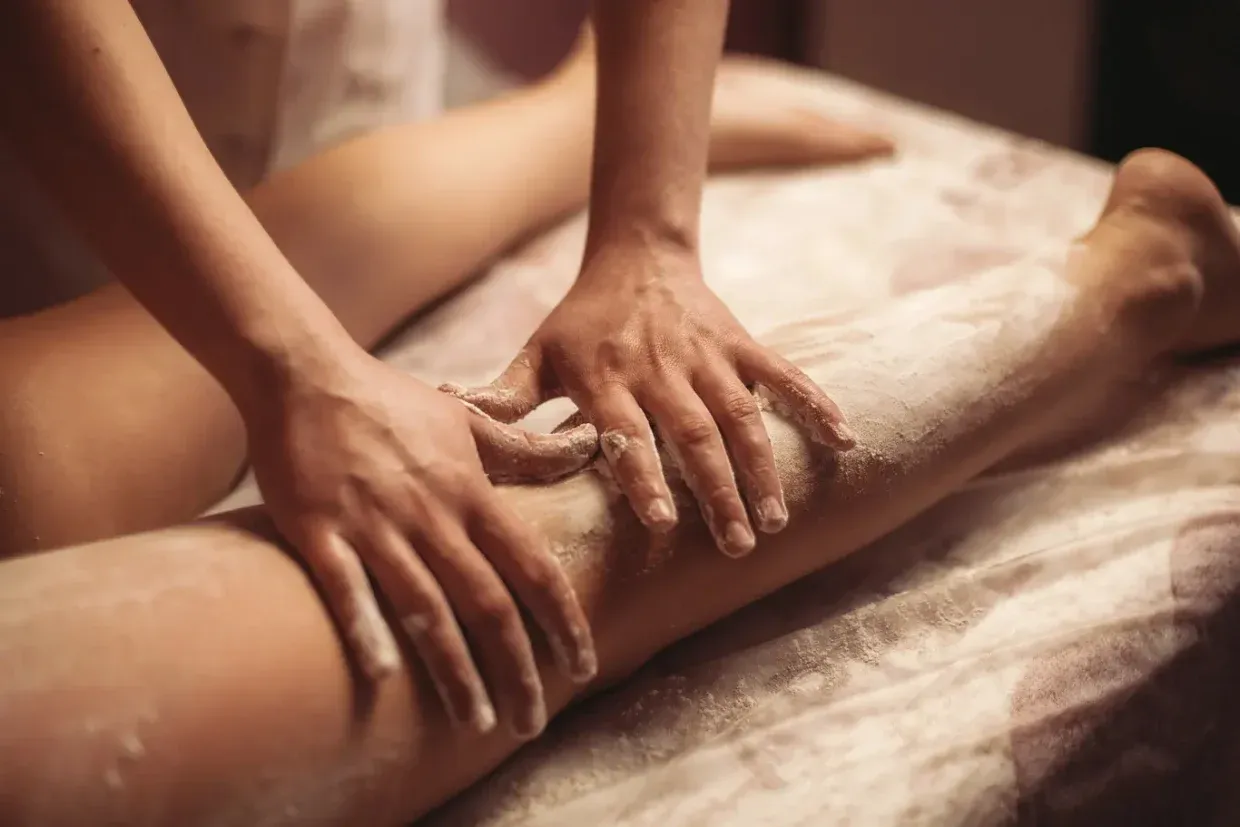
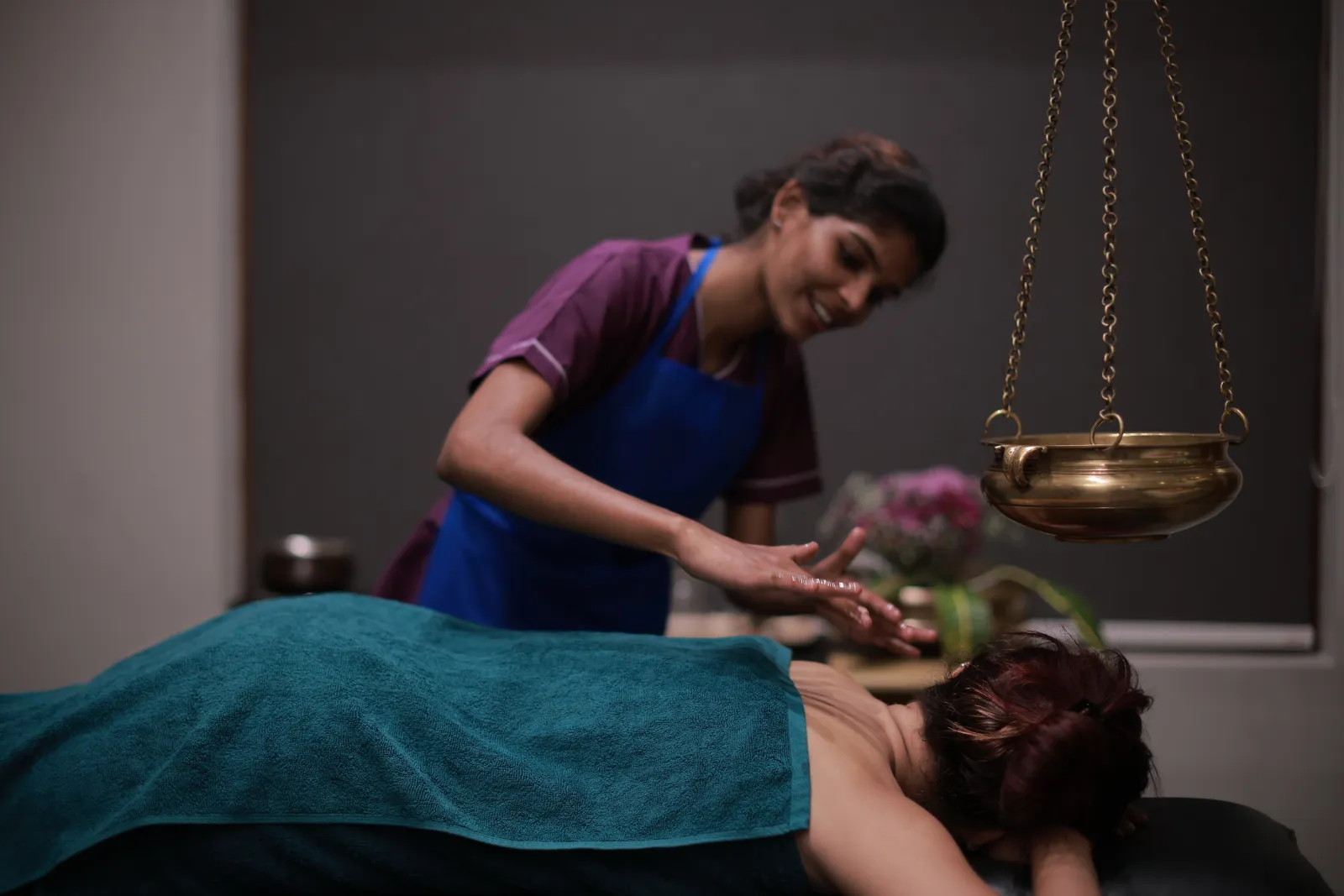
The Ayurvedic approach include Deepana-Pachana, dietary correction, regulation of daily routines, appropriate physical activity and selected therapies intended to support healthy metabolism and balance the Doshas. Where clinically appropriate, therapies such as Udwarthana, Abhyanga, Swedana, selected Panchakarma procedures like Virechana, Basti, Uttarabasti may be incorporated into an individualized programme. Internal Ayurvedic medicines and Rasayana support may also be considered according to the person's needs.
These therapies are not viewed as isolated procedures. Their value lies in being integrated into a carefully planned programme alongside nutrition, movement, rest and medical supervision.
Why an Ayurvedic Wellness Programme Can Make a Difference
PMOS often requires a woman to change habits that have gradually become part of everyday life — irregular meals, late nights, constant stress, prolonged sitting, inadequate movement or repeated cycles of restrictive dieting followed by exhaustion. Knowing what to change is one thing; having the right environment and professional guidance to sustain those changes is another.
A dedicated period away from everyday demands can create space to reset. Nourishing meals, guided movement, therapeutic treatments, adequate rest and expert consultation can come together as one coherent programme rather than a collection of disconnected interventions.
This is where Ayurveda's traditional emphasis on routine, digestion, balance and individualized care finds relevance in modern women's wellness.
A More Beautiful Way to Reconnect With Your Health
The new name PMOS reminds us of precisely this — the condition is broader than the ovaries, broader than the menstrual cycle and broader than fertility.
At Softouch Ayurveda Village, our approach is to bring that broader understanding into a deeply personalized Ayurvedic wellness experience — combining traditional wisdom, clinical assessment, therapeutic care and sustainable lifestyle transformation in an environment designed for rest and renewal.
A note on scope. This article is general information, not a diagnosis. PCOS and PMOS need proper clinical assessment, and Ayurvedic treatment works best alongside your gynaecologist rather than instead of them. If you would like to discuss your own case, our doctors consult before arrival — bring your reports.